Quick Summary
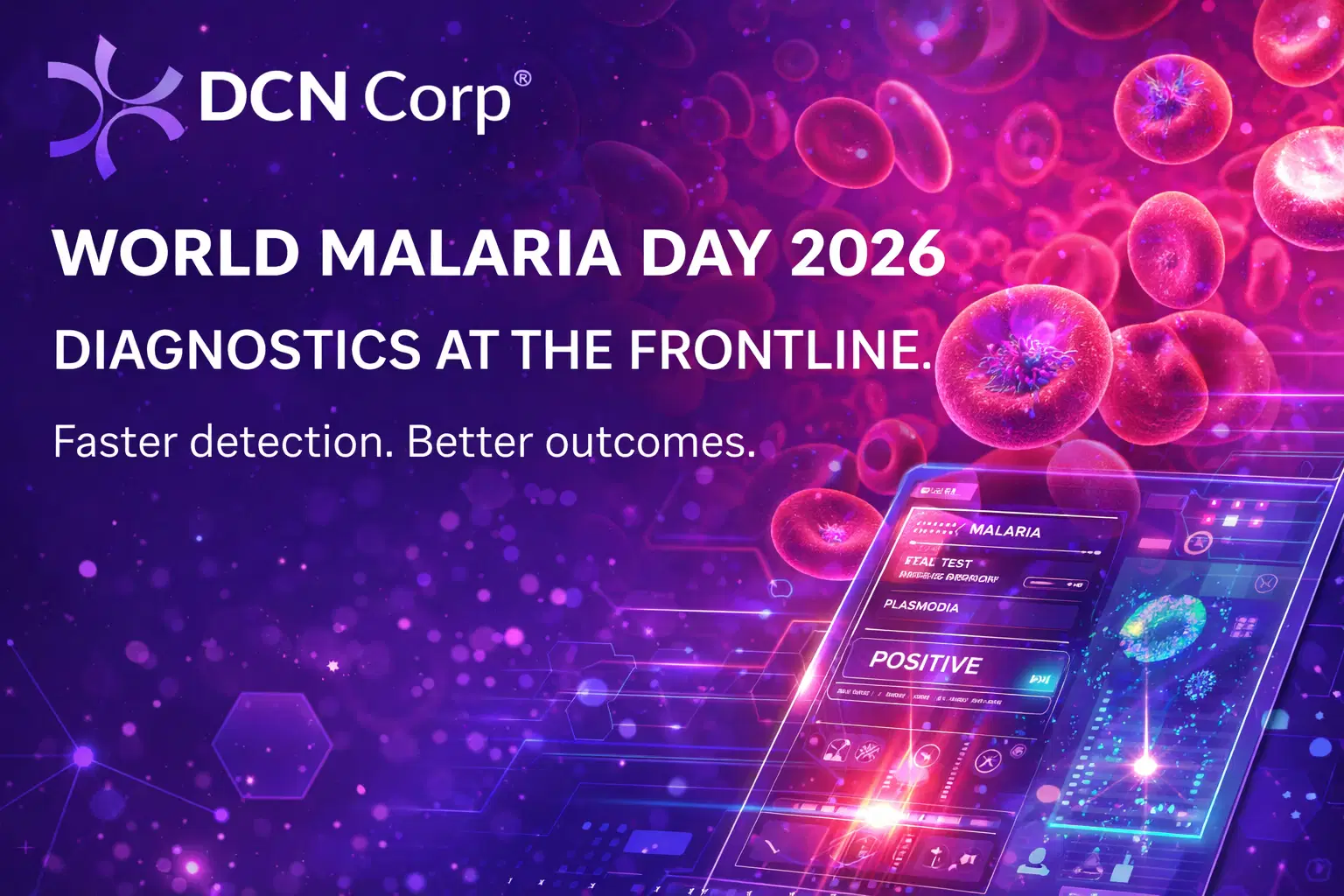
World Malaria Day is marked annually on 25 April, and it highlights the ongoing global challenge of malaria, which is a preventable and treatable disease that continues to place significant strain on healthcare systems worldwide. Whilst progress has been made in prevention and treatment pathways, unfortunately, malaria continues to pose a significant burden, particularly in low-income and -resourced settings where access to timely and accurate diagnosis remains limited and costly to deploy to the indigenous communities.
Unfortunately, children under five, pregnant individuals, and immuno-compromised populations are distinctly vulnerable. Effective malaria prevention and control, therefore, depends not only on increased accessibility to treatment, but on early, reliable diagnosis that enables timely interventions and reduces onward transmission.
This blog explores why next-gen diagnostic technologies are essential to malaria control, the limitations of current approaches, and how advances in sensitive detection platform technologies can support faster, and more equitable healthcare outcomes.
DCN Corp® thinks in 2026 that the conversation must move beyond awareness, and towards a fundamental question of:
Are we detecting malaria fast enough to effectively control it?
Why Diagnostics are Central to Malaria control
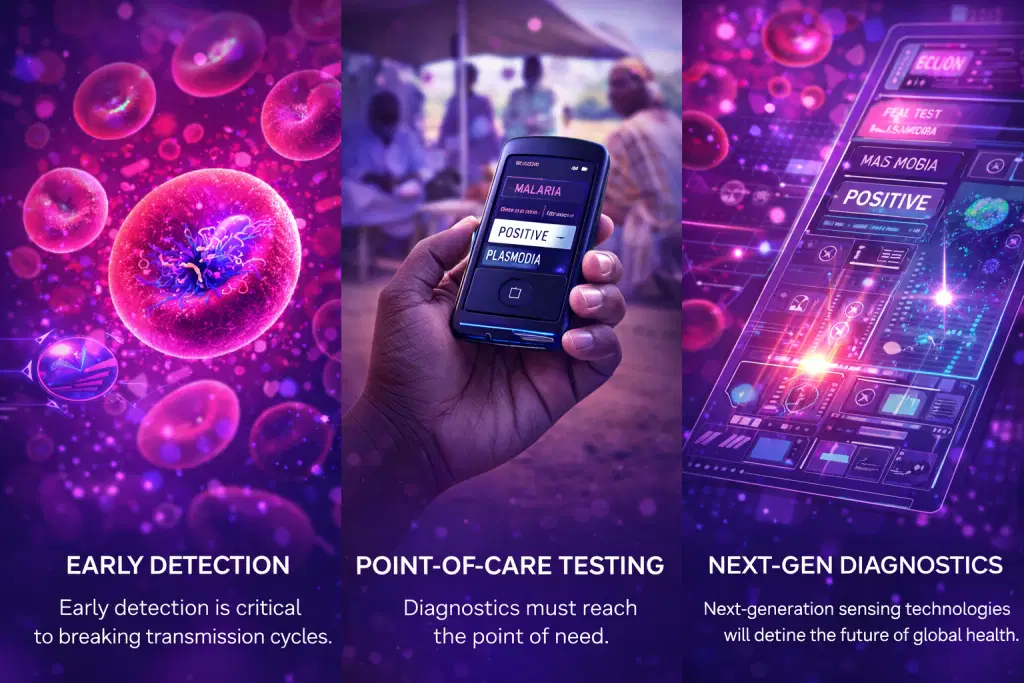
Earlier Detection Drives Better Outcomes
Current Challenge: Detection, Not Just Treatment
Malaria is often framed as a treatment challenge, and like after the event scenario. However, in reality, it is equally, if not more, a diagnostic problem.
Key barriers include, but not exhaustive:
Without early and accurate detection, even the most effective treatments cannot be deployed in time.
Role of Advanced Diagnostics
Emerging technologies are hoping to reshape how infectious diseases like malaria can be detected and managed. The following are some ways:
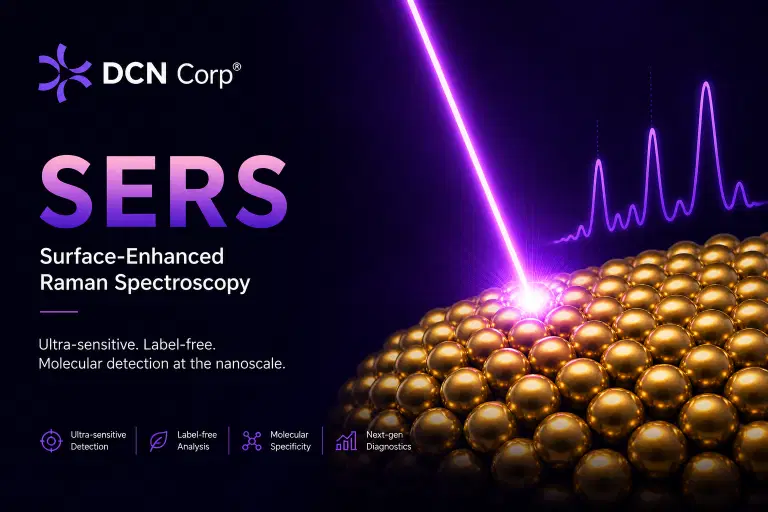
Nanotechnology-enabled detection
Point-of-Care (PoC) diagnostics
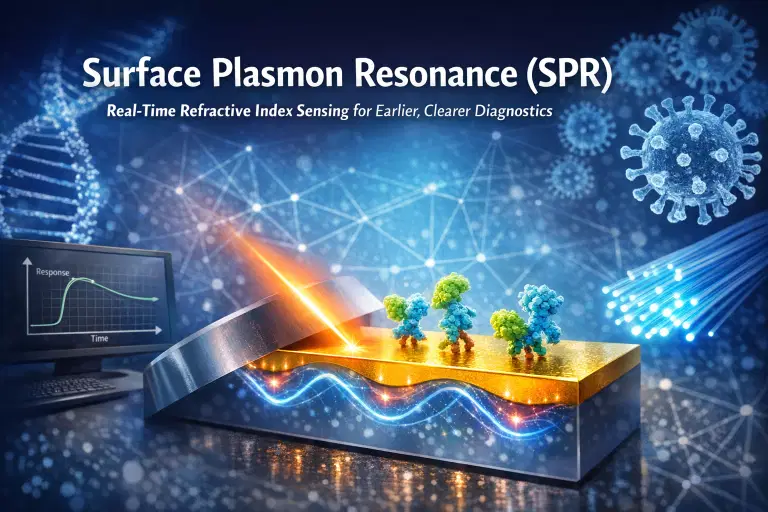
Advanced Biosensing platforms
DCN Corp® believe the innovations above-mentioned directly address the core diagnostic bottlenecks in malaria control.
A System design Perspective: Diagnostics as a Global health perspective
Malaria does not exist and happen in isolation. It is part of a boarder global health eco-system where:
This aligns with the growing importance of integrated healthcare systems and tools alongside real-time disease monitoring.
Future Outlook: The Next-Gen of Malaria Diagnostics
Looking ahead, the evolution of diagnostics is likely to include:
Therefore, the trajectory is clear:
From Reactive testing regimes → Proactive, Real-time detection systems and tools
DCN Corp® Perspective
Diagnostics at the Speed of Life
At DCN Corp®, we view malaria, and other global infectious diseases more broadly via a diagnostics proactive lens first.
By leveraging:
We move closer to a future where:
Conclusion
World Malaria Day 2026 serves as a reminder that progress is not solely defined by treatment advances.
The capability to detect diseases early, accurately, and at mass scale remains the true frontline in global healthcare
As diagnostic technologies continue to evolve, they will play a decisive role in shaping the future of malaria control and hopefully eradication.
Please note this blog has been published in support of the World Malaria Day, and it is intended for educational and informational purposes only and does not constitute medical opinion nor advice. Emerging platform diagnostic and Nanotechnology approaches discussed in this blog may remain at research and development stages, and should not be interpreted as direct replacements for established techniques.