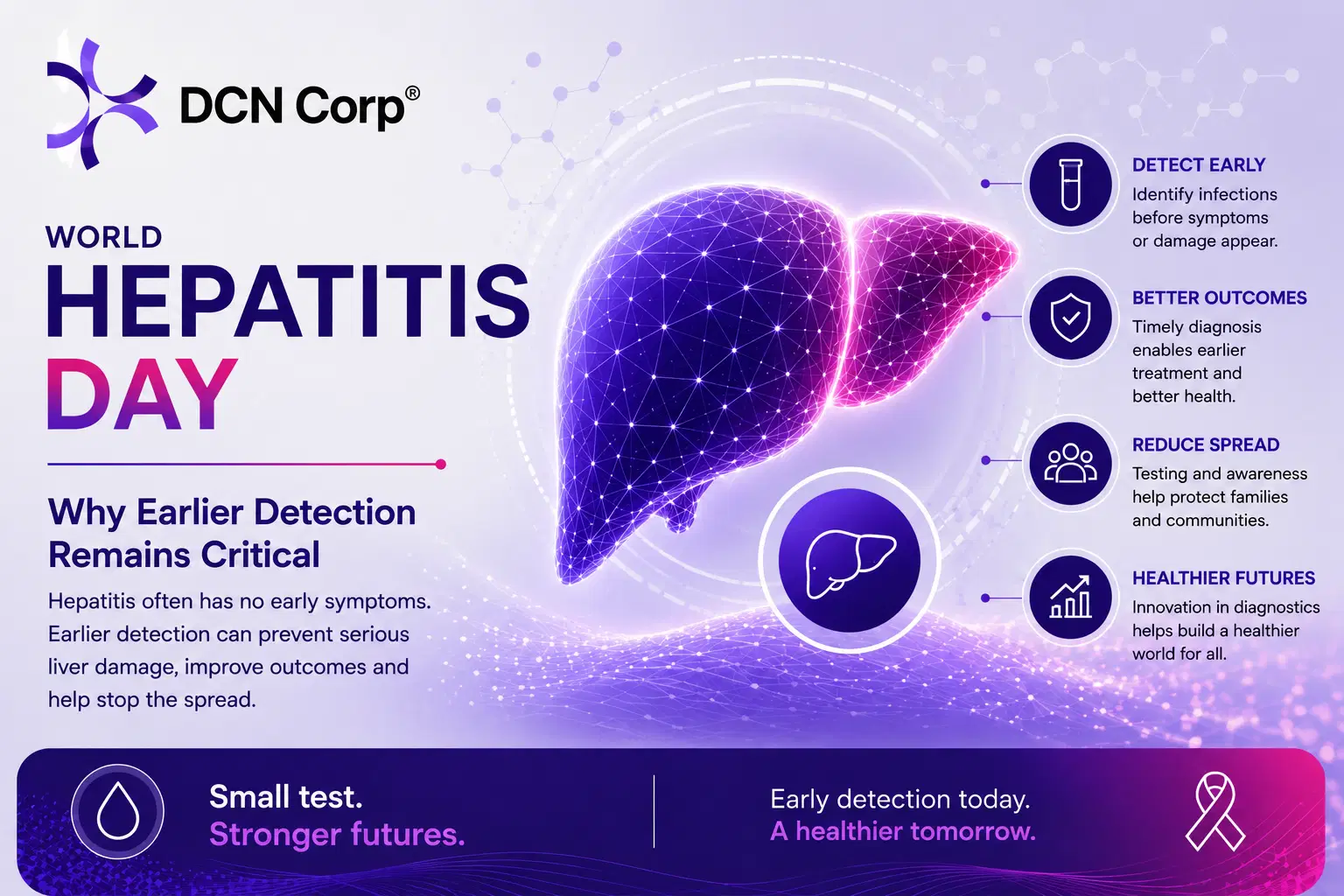
Annually on the 28th July is World Hepatitis Day, which serves as a good reminder that unfortunately millions worldwide continue to live with viral hepatitis, often unknown to the specialist clinician, the patient, and their families.
Despite significant scientific and technological advances into earlier detection, prevention measures, vaccination treatment plans; hepatitis remains as one of the leading infectious causes of deaths globally.
It is one of the greatest challenges in that the infection develops silently with many individuals experiencing no symptoms until significant liver damage has already occurred.
That is why this year’s World Hepatitis Day helps provide an opportunity to reflect and take action on the critical factorial requirements for earlier, speedier, and more accessible diagnostic platform technologies that can play their roles in improving patient outcomes and ultimately strengthening healthcare systems and tools worldwide.
The Silent Nature of Viral Hepatitis
Viral hepatitis refers to the inflammation of the liver caused by several viruses commonly known as Hepatitis A, B, C, D and E.
Whilst these viruses differ in their modes of transmission and long-term clinical outcomes, they do share one important characteristic which is:
Many infections remain undiagnosed for up to months or years
Chronic Hepatitis B and C infections can gradually lead to:
By the time the symptoms develop there can already be significant and irreversible liver damage, and this is why the continual push for earlier diagnosis represents one of the most effective interventions available.
Why Earlier Detection Matters
As a well known philosophy states: earlier diagnosis benefits both singular patients and the wider public health.
Furthermore, the ability to identify earlier allows clinicians to:
From a local and global healthcare perspective, the ability to identify infections before their advanced status develops can greatly help reduce hospital admissions, lower treatment costs, and improve overall population health.
The Increasing Importance of Diagnostic Innovation
Traditional centralised laboratory-based testing have gradually transformed hepatitis diagnosis success rates.
However, global healthcare systems and tools continue to face challenges including:
The challenges mentioned above continue to highlight the need for innovation in diagnostic platform techniques/technologies.
Next-gen biosensors, advanced optical and non-optical sensing platform technologies and rapid Point-of-Care (PoC0 diagnostic systems and tools have the potential to complement existing laboratory methods by ultimately providing faster and more accessible diagnostic data/information close to the patient.
The Future of Viral Diagnostics
Existing and emerging diagnostic techniques/technologies are increasingly focused on delivering:
As healthcare needs move towards de-centralised and personalised models of care, the increasing importance for emerging diagnostic techniques/technologies will be the ability to delivery rapid and reliable data/information at the point of need.
Potential roles for Plasmonics and Nanotechnology
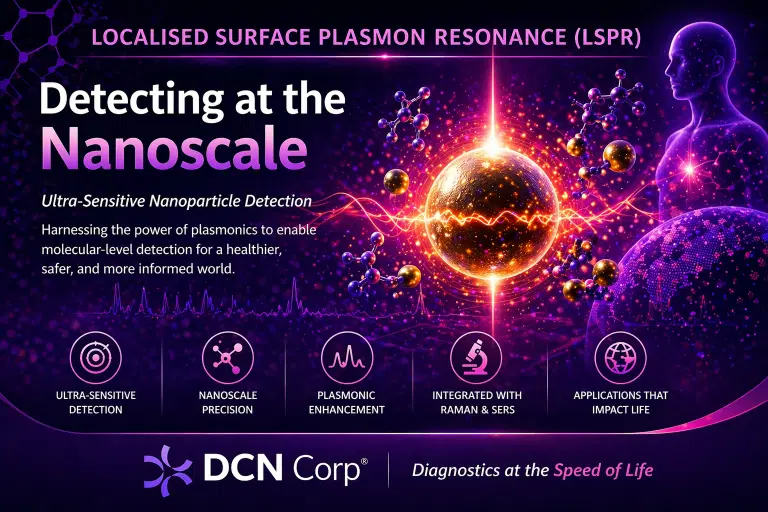
At DCN Corp® we strongly believe that advances in Nanotechnology have the potential to re-shape the future of biomolecular diagnostics.
Techniques/technologies such as:
have continued to demonstrate significant promise across a wide range of biomedical sensing applications.
These optical sensing techniques/technologies offer very exciting opportunities for highly sensitive, label-free, and non-destructive detection of chemical and biological interactions and biomolecular signatures.
Although as mentioned previously many potential applications remain under active research and development, the continued advancements in plasmonics and nanomaterials alike may contribute to future generations of diagnostic stand alone and handheld devices capable of supporting earlier condition/disease detection across multiple healthcare settings.
Thinking Beyond Hepatitis
The lessons learnt over the decades from viral hepatitis extend far beyond a singular condition/disease.
In fact, when addressing infectious conditions/diseases such as cancer, cardiovascular conditions or emerging public health threats, one principle remains consistent throughout:
The earliest detection creates greater opportunities for earlier intervention
Healthcare systems worldwide are increasingly recognising that improving end-user and patient outcomes is not solely dependent upon new therapies or diagnosis techniques/technologies, but it also depends upon detecting a condition/disease sooner.
Therefore, the continued evolution of diagnostics and/or therapeutics science and technological engineering will play a central role in improving global healthcare over the coming decades.
World Hepatitis Day 2026
The World Hepatitis Day reminds us all that continued innovations in diagnostics is principally important as the innovative treatment method itself.
Unfortunately, annually millions of people continue to suffer from under- or undiagnosed symptoms of a viral infection, thus, highlighting the ongoing need for techniques/technologies that make testing faster, in real-time, more accessible, and more widely deployed.
Finally, at DCN Corp® we remain determined to explore advanced diagnostic platform technologies that have the potential to contribute to a future where earlier detection not only supports better healthcare outcomes, but helps bring diagnostics closer to the patients and their families and so accelerating innovation at the Speed of Life.
Please note this blog has been published in support of the World Hepatitis Day 2026, and it is intended for educational and informational purposes only and does not constitute medical opinion nor advice.